 Reviews

 Proudly American
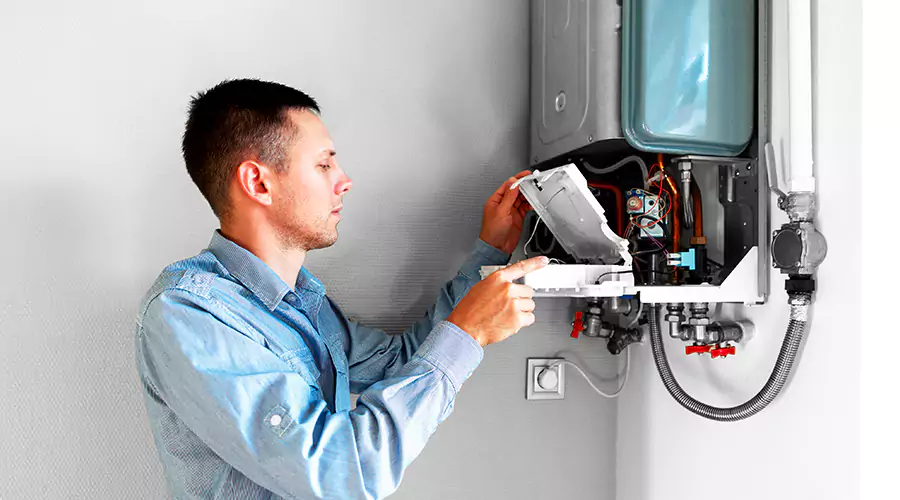
A water heater is one of the most essential appliances in any home. It provides hot water for showers, laundry, dishwashing, and other daily needs. Despite its importance, many homeowners neglect water heater maintenance, which can lead to costly repairs, decreased efficiency, and even water damage. Proper care ensures your water heater operates safely and reliably for years.
This guide covers everything homeowners need to know about water heater maintenance, common issues, and tips to extend the life of their system.
Why Water Heater Maintenance Is Important
Regular maintenance provides several benefits:
- Consistent Hot Water Supply: Ensures showers, sinks, and appliances function properly without sudden temperature drops.
- Energy Efficiency: Removes mineral buildup and maintains optimal heating performance, lowering utility bills.
- Extended Lifespan: Reduces wear on the tank and connected pipes, delaying the need for replacement.
- Prevention of Leaks or Bursts: Early detection of small issues prevents water damage and mold growth.
- Safe Operation: Maintains pressure and temperature to avoid accidents or tank failure.
A properly maintained water heater not only protects your home but also ensures the safety of your family.
Common Water Heater Issues
1. Sediment Buildup
Hard water deposits settle at the bottom of the tank over time. This reduces heating efficiency, increases energy consumption, and can cause rumbling or popping noises. Sediment can also shorten the tank’s lifespan if not flushed regularly.
2. Leaks
Leaks may develop at the tank, connections, or valves. Even small leaks can cause mold, mildew, and water damage. Homeowners should inspect copper or PVC water pipe installations connected to the heater frequently.
3. Rust and Corrosion
Metal tanks are prone to corrosion, especially in areas with hard or acidic water. Rust weakens the tank, increasing the risk of leaks or bursts. Regular maintenance can significantly extend the tank’s life.
4. Faulty Heating Elements or Thermostats
Electric water heaters may have worn-out heating elements, while gas models can develop issues with burners or thermostats. Symptoms include inconsistent water temperature or insufficient hot water.
5. Pressure Relief Valve Malfunctions
The pressure relief valve prevents excessive pressure buildup. A faulty valve can be dangerous and should be tested regularly. Immediate replacement is necessary if it shows signs of corrosion or failure.
Water Heater Maintenance Tips for Homeowners
1. Flush the Tank Annually
Flushing removes sediment buildup, improves heating efficiency, and reduces the risk of corrosion. This simple step can extend the life of your water heater significantly.
2. Inspect for Leaks
Check the tank, connections, and surrounding pipes regularly. Address leaks promptly to prevent water damage, mold, and costly repairs.
3. Test the Pressure Relief Valve
Lift the valve lever to ensure it opens and closes properly. Replace the valve if it shows signs of wear, corrosion, or fails to operate correctly.
4. Check the Anode Rod
The anode rod protects the tank from rust and corrosion. Inspect it every 1–2 years and replace it every 3–5 years or sooner if heavily worn.
5. Maintain Proper Temperature
Set the thermostat to around 120°F. This prevents overheating, reduces energy costs, protects plumbing fixtures, and prevents scalding risks.
6. Monitor Water Quality
Hard water can accelerate sediment buildup and corrosion. Installing a water softener or filter helps protect the tank and connected pipe installations, preserving efficiency.
Why Professional Maintenance Matters
While some tasks, like flushing, can be done by homeowners, professional plumbers provide several advantages through routine Plumbing Maintenance:
- Inspect water pipe installations and tank connections accurately.
- Safely flush the tank and replace worn or corroded components.
- Identify potential issues such as leaks, failing valves, or hidden corrosion.
- Recommend upgrades or replacements for older water heaters to improve efficiency and safety.
Professional maintenance ensures your water heater operates efficiently, reliably, and safely.
Signs It May Be Time to Replace Your Water Heater
- The water heater is more than 10–15 years old.
- Frequent leaks or corrosion appear in the tank.
- Rusty water comes from taps.
- Tank makes persistent noise even after flushing.
- Insufficient hot water despite thermostat adjustments.
Replacing an aging water heater can prevent emergencies, improve energy efficiency, and reduce long-term repair costs.
Conclusion
Water heater maintenance is crucial for ensuring a steady supply of hot water, prolonging appliance life, and avoiding costly repairs. Homeowners should flush the tank annually, inspect for leaks, test the pressure relief valve, check the anode rod, and maintain proper temperature settings.
Professional plumbers provide thorough inspections, detect early problems, and ensure safe, efficient operation of your water heater and connected pipe installations. Regular maintenance protects your home, saves energy, and ensures reliable hot water year-round.